

The evolution of gambling tracing its historical roots and cultural significance
Origins of Gambling in Ancient Civilizations
The roots of gambling can be traced back to ancient civilizations, where evidence suggests that games of chance were popular as far back as 3000 BC. The Mesopotamians are known to have played dice games using pieces made from clay, which exemplifies one of the earliest forms of chance-based entertainment. Similarly, ancient Chinese texts reference the use of tiles in a game akin to modern-day lotteries, showcasing the widespread appeal of gambling across different cultures and eras. In this context, platforms like Slotzania offer a modern twist on these age-old practices.
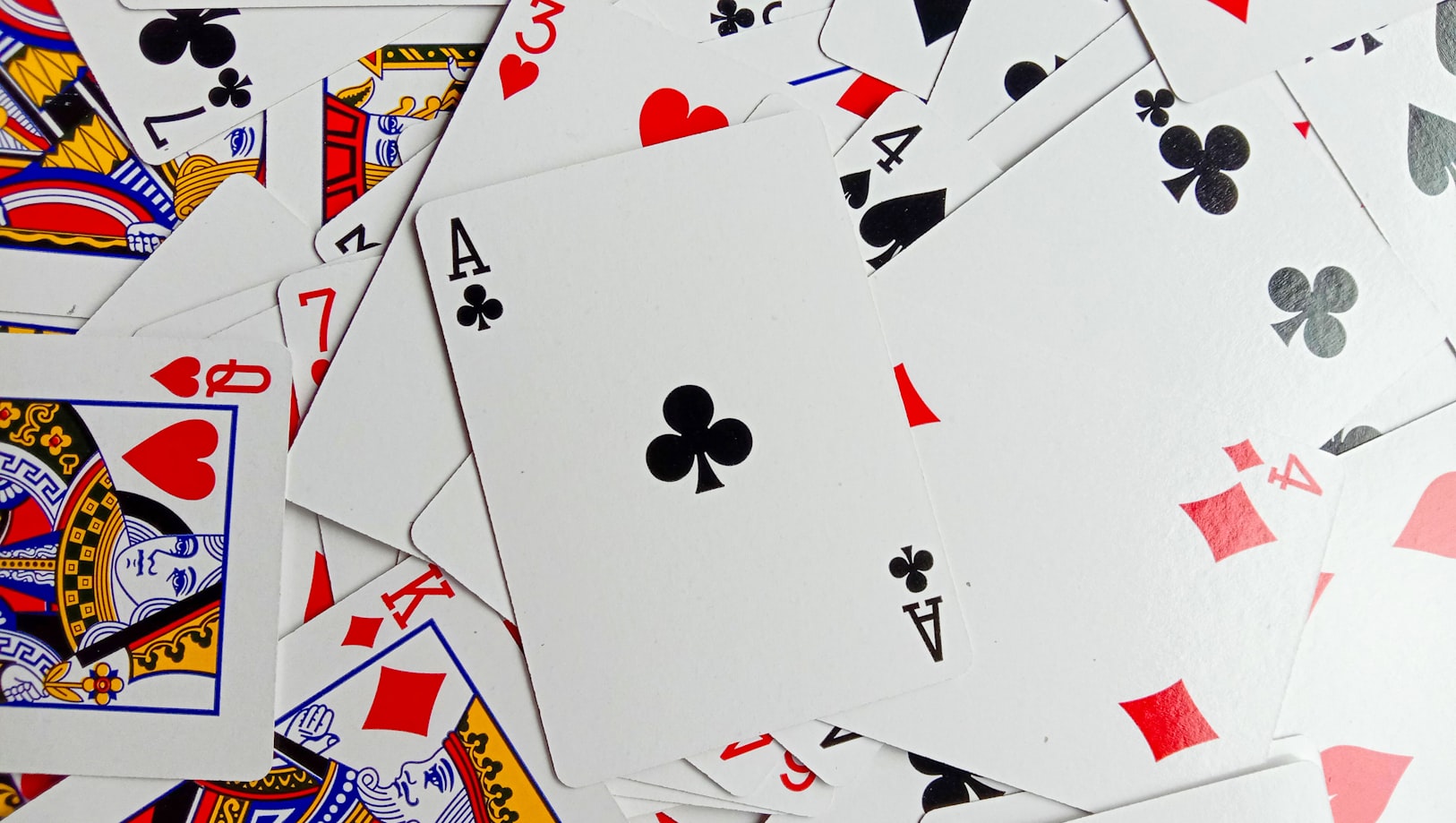
In ancient Egypt, gambling also found its place through various games involving dice and betting on outcomes. The hieroglyphs depict scenes of gambling in everyday life, indicating its societal acceptance. These ancient practices highlight not only the entertainment aspect of gambling but also its integration into rituals and religious events, where casting lots was believed to reveal divine will or fate.
As these early societies evolved, so did the complexity of their gambling systems. The Greeks and Romans introduced more structured games, including betting on sporting events and organized gambling establishments. Roman citizens would flock to arenas to wager on gladiatorial contests, further cementing gambling as a part of cultural and social life in ancient times.
The Rise of Gambling in the Middle Ages
During the Middle Ages, gambling continued to thrive, albeit under different circumstances. The Catholic Church initially viewed gambling with disdain, considering it a vice that could lead to moral decay. However, this did not halt its popularity. Instead, clandestine gaming houses emerged, where nobles and commoners alike sought the thrill of chance. These underground establishments were often places of social gathering, fostering community ties even amid social restrictions.
It was during this period that card games began to gain prominence, particularly with the introduction of playing cards in Europe. Originating from Asia, cards transformed the gambling landscape, providing a portable and accessible form of entertainment. The emergence of games such as Poker and Blackjack in various forms can be traced back to this time, laying the foundation for the diverse range of card-based gambling that exists today.
Moreover, the medieval period saw the establishment of lotteries, often organized by governments to raise funds for public works and charities. These lotteries not only legitimized gambling in some respects but also served as a means to engage the population in national causes, showcasing how gambling evolved from mere amusement to a tool of societal benefit.
The Evolution of Casinos in the 18th and 19th Centuries
The 18th century marked a significant shift in the gambling landscape with the establishment of formal casinos. The first recognized casino, the Casino di Venezia in Italy, opened its doors in 1638, setting a precedent for luxurious gambling establishments. As Europe entered the 19th century, the allure of gambling attracted high society, leading to the proliferation of casinos across the continent, particularly in cities like Monte Carlo and Baden-Baden.
These casinos not only provided a venue for gambling but also became cultural hubs, hosting performances, dining, and social events. The glamorous atmosphere of these establishments cultivated a refined image of gambling that appealed to the elite, blending leisure with high stakes. With the rise of innovations such as roulette and baccarat, these games gained legendary status, drawing in patrons eager to experience the thrill.
The impact of the Industrial Revolution further propelled gambling’s evolution. Increased leisure time and disposable income allowed a broader segment of society to indulge in gaming activities. This transition marked the democratization of gambling, as it became less exclusive and more accessible to the masses, paving the way for future developments in the gambling industry.
The Modern Era of Gambling and Online Expansion
The 20th century brought about significant changes in the gambling landscape, particularly with the legalization of casinos in various parts of the world. Las Vegas emerged as the ultimate gambling destination, known for its lavish resorts and vibrant nightlife. The city transformed the perception of gambling, turning it into a major entertainment industry that attracted millions of visitors annually. This shift not only created a thriving economy but also solidified the cultural significance of gambling in contemporary society.
With the advent of the internet in the late 20th century, the gambling industry underwent another radical transformation. Online casinos began to spring up, offering players the convenience of wagering from the comfort of their homes. The ability to play a wide range of games, from slots to live dealer tables, has made online gambling immensely popular. This digital revolution has also led to an increase in accessibility and the rise of mobile gaming, further embedding gambling into everyday life.
Additionally, online gambling has fostered a global community of players, transcending geographical barriers. With innovations like cryptocurrency payments, the industry is evolving continuously, adapting to modern trends and preferences. As a result, online platforms are now viewed as legitimate alternatives to traditional casinos, reflecting the changing dynamics of gambling in the 21st century.
The Cultural Significance of Gambling Today
Today, gambling serves a multifaceted role in society, transcending mere entertainment. It is interwoven with cultural practices, such as in sports events where betting is commonplace, and in communal activities like poker nights and bingo games that foster social connections. The cultural significance of gambling can be seen in how it reflects societal values, attitudes toward risk, and the collective desire for excitement and thrill.
Moreover, gambling often serves as a source of revenue for governments, with taxes collected from casinos and online gambling contributing to public services. This economic aspect highlights a complex relationship between gambling and society, where it is both a source of enjoyment and a matter of public policy. Discussions around responsible gambling practices and regulations further illustrate the evolving dialogue surrounding its impact on individuals and communities.
As gambling continues to evolve, its cultural significance remains evident. It is celebrated in literature, film, and art, reinforcing its role as a source of fascination. The narratives surrounding gambling often explore themes of chance, fortune, and human nature, ensuring that this ancient practice remains relevant in contemporary discussions about entertainment, ethics, and economic development.

Slotzania: A Modern Online Gambling Experience
In the modern era of online gambling, Slotzania stands out as an innovative platform that encapsulates the excitement and diversity of gaming. Launched in 2026, it offers an extensive range of games, ensuring that players have access to over 3,000 options, from classic slots to live tables. The platform is designed to create an engaging experience, combining cutting-edge technology with user-friendly features.
Slotzania also prioritizes player security and satisfaction, providing a flexible welcome bonus to attract new players while ensuring they feel valued. With a strong focus on customer support available 24/7, players can enjoy their gaming experience knowing assistance is readily available. Additionally, the site’s commitment to responsible gaming highlights its dedication to fostering a safe gambling environment.
As the landscape of gambling continues to change, Slotzania represents a forward-thinking approach that embraces the evolving preferences of players. By blending tradition with modern technology, it captures the essence of gambling’s rich history while paving the way for future innovations in the online gaming industry.